Table of Contents
Project Background
A PTA wastewater treatment system needed to treat approximately 1,000 t/h of high-COD wastewater. Reliable oxygen transfer and effective mixing were essential for stable biological treatment.
At the time, the existing aeration system used 32 old aerator models. The system required approximately 12,700 m³/h of recirculation flow, supported by 472 kW of pump power and 684 kW of blower power.
As a result, the high recirculation demand increased energy consumption and placed additional requirements on the recirculation equipment.
Therefore, the treatment system needed an aeration solution that could provide effective oxygen transfer while reducing recirculation requirements.

The Solution: Hetai Jet Aerator
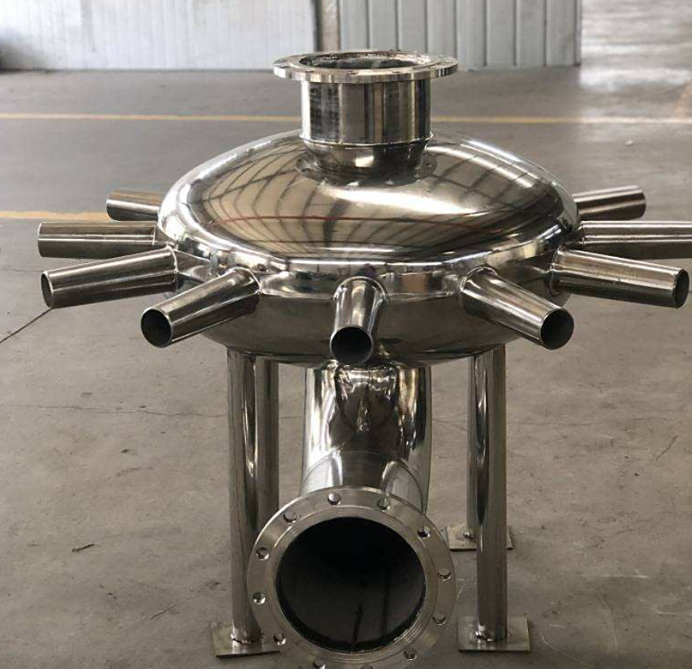
Our engineers recommended a Hetai Jet Aerator (HTA) system for the PTA wastewater treatment process.
The jet aerator combines wastewater recirculation with air injection to promote rapid mixing and oxygen transfer. In addition, this process improves contact between the wastewater and injected air, allowing the system to achieve the required aeration performance with less recirculation flow.
For this project, the team selected 26 units of HTA-6 to replace the existing 32 aerator units.
As a result, the required recirculation flow decreased from approximately 12,700 m³/h to 5,040 m³/h, reducing the demand on the recirculation pumps.
Results After Optimization
The optimized aeration system achieved measurable improvements in equipment requirements and energy consumption:
| Parameter | Existing System | HTA System | Improvement |
| Aerator units | 32 | 26 HTA-6 | 19% fewer |
| Recirculation flow | 12,700 m³/h | 5,040 m³/h | 60% lower |
| Pump power | 472 kW | 210 kW | 56% lower |
| Blower power | 684 kW | 572 kW | 16% lower |
| Estimated annual energy saving | — | — | Approx. 3 million kWh/year* |
The team reduced the number of aerators from 32 to 26 units, a decrease of approximately 19%.
More importantly, the required recirculation flow fell by approximately 60%. Pump power also dropped from 472 kW to 210 kW, representing a 56% reduction.
Meanwhile, blower power decreased from 684 kW to 572 kW, or approximately 16%.
Based on 8,000 operating hours per year, the project estimates annual electricity savings of approximately 3 million kWh.
Why Jet Aeration Was Selected
For high-COD industrial wastewater, aeration performance depends not only on the amount of air supplied but also on how effectively the system transfers oxygen into the wastewater.
The Hetai Jet Aerator system combines recirculation, air injection, rapid mixing, and oxygen transfer in one aeration process. Therefore, it can address both oxygen transfer and recirculation requirements as part of the overall aeration system.
In this project, the improved aeration process allowed the system to operate with substantially less recirculation flow. This reduced the operating demand on the recirculation pumps and helped lower overall energy consumption.
Rather than simply adding more aerators, the project focused on improving the interaction between recirculation, air injection, mixing, and oxygen transfer. This approach helped reduce the requirements for supporting equipment while maintaining the required aeration performance.
What This Case Demonstrates
For high-COD wastewater treatment, aeration efficiency depends on more than blower capacity. In addition, the interaction between air injection, recirculation, mixing, and oxygen transfer can affect the overall energy demand of the system.
In this PTA wastewater application, optimizing the aeration process reduced the need for high recirculation flow and lowered the power requirements of the supporting equipment.
More broadly, this case shows that jet aeration can serve not only as an oxygen transfer solution but also as part of an overall aeration system optimization strategy.
For industrial wastewater plants facing high aeration loads or high recirculation requirements, evaluating the complete aeration process can help identify opportunities to improve energy efficiency without simply adding more equipment.
Need to Optimize Your Aeration System?
Discuss your wastewater treatment requirements with our engineers and explore whether Hetai Jet Aeration is suitable for your application.
Last Updated: September 24, 2026
Sources: Technical application information provided for this article. Final jet aerator selection should be confirmed according to actual wastewater characteristics, aeration requirements, system specifications, and project operating conditions.