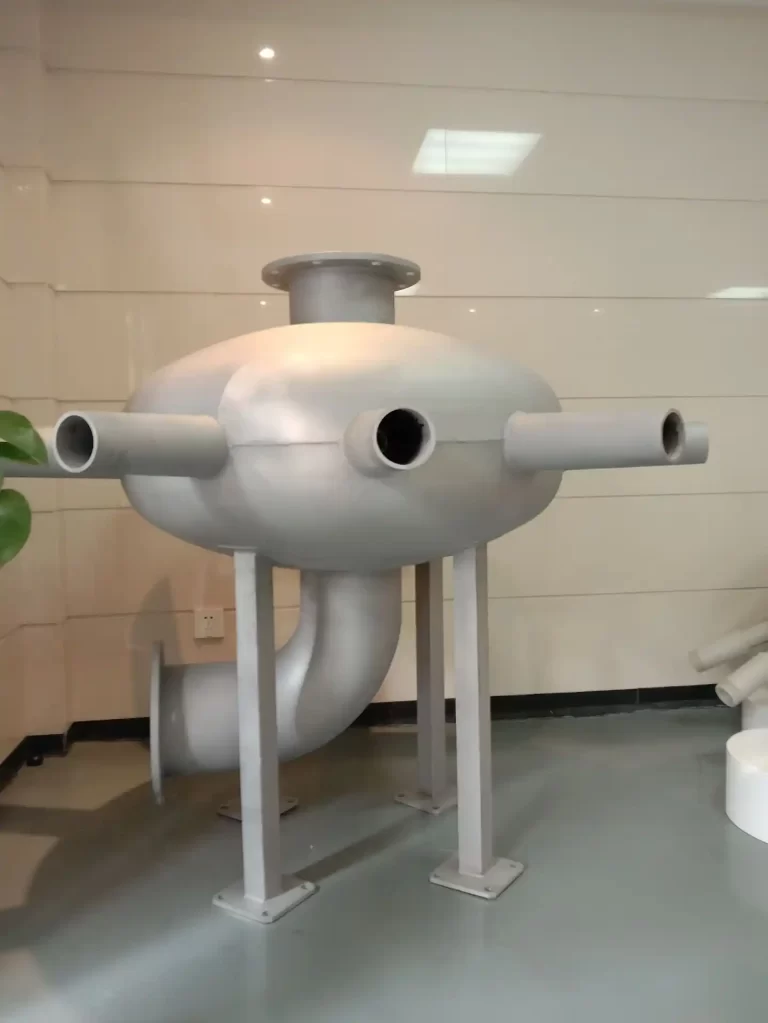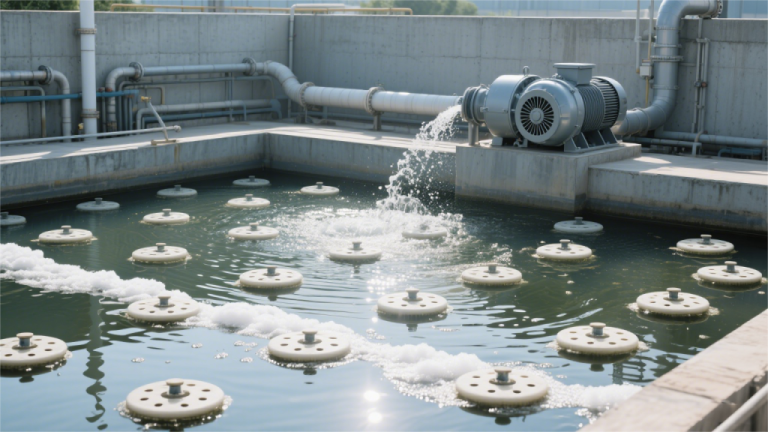
Jet aerators improve food, beverage and fermentation wastewater treatment through efficient oxygen transfer, strong mixing performance, and excellent adaptability to high-grease, high-SS, and high-organic-load wastewater. Additionally, they enhance water circulation, prevent sludge and grease accumulation, and ensure stable treatment performance and reliable effluent quality.
Table of Contents
Jet Aerators Enhance Wastewater Treatment Performance in Food and Fermentation Industries
The food, beverage and fermentation industries generate complex wastewater. This wastewater contains high grease levels, high suspended solids (SS), and variable organic loads. These characteristics create major challenges for conventional aeration equipment. Traditional aerators are prone to clogging, low oxygen transfer efficiency and difficult cleaning. These problems severely restrict stable wastewater treatment operation. Jet aerators are a professional aeration solution for such working conditions. Their superior adaptive performance and sanitary design make them a preferred choice for industrial wastewater treatment in these fields.
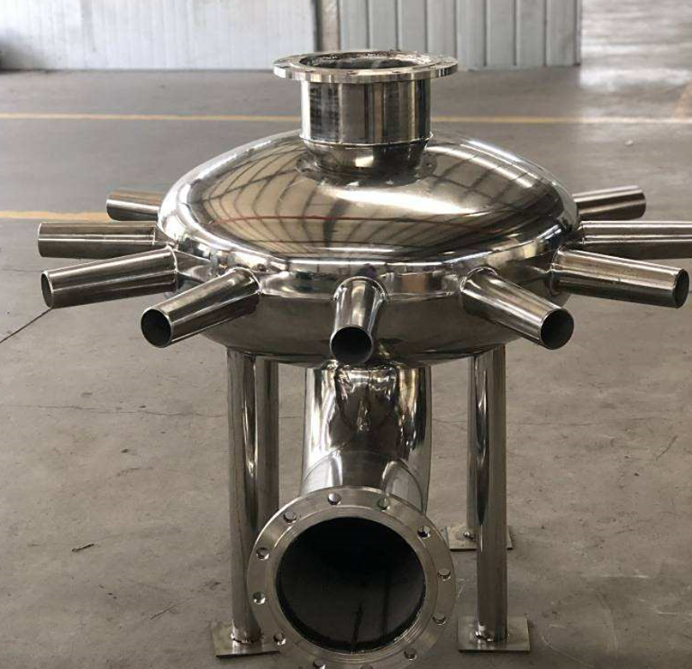
The main advantage of jet aerators is their excellent ability to treat high-grease and high-SS wastewater. Jet aerators use the Venturi jet principle and high-velocity hydraulic shearing technology. They mix water and air efficiently to produce a large number of fine bubbles. Jet impact creates strong hydraulic circulation inside the tank. This circulation keeps solid particles suspended in water and prevents sludge and grease accumulation at the bottom of the tank. It also reduces blockage problems that commonly occur in microporous diffusers. The efficient oxygen transfer performance helps break down organic pollutants in fermentation and food processing wastewater.These pollutants include residual starch, protein and grease. This process helps maintain stable effluent quality even under high-load operating conditions.
Why Are Jet Aerators Suitable for Food Industry Wastewater Applications?
Food and fermentation industries have strict hygiene requirements. Therefore, jet aerators adopt a standardized sanitary-grade design to meet these requirements. Jet aerators mainly use high-quality stainless steel and anti-corrosion materials. Their smooth and seamless surfaces reduce the attachment of dirt, grease and bacterial biofilms. In addition, jet aerators do not have tiny holes that are easily blocked or vulnerable rotating parts inside the water. This structure eliminates sanitary dead ends and helps meet the strict production and environmental sanitation standards of the food industry.
Easy maintenance and cleaning are another prominent feature of the product. Different from traditional aeration devices that require tank drainage for disassembly and cleaning, jet aerators allow the main wearable and maintenance parts to be installed outside the tank. The smooth flow channel structure avoids grease and sediment accumulation, enabling quick online flushing and daily cleaning. It greatly reduces equipment maintenance time and operating costs. It also avoids long-term shutdowns that affect production and wastewater treatment continuity.
With stable operation, strong pollution adaptability, sanitary structure and low maintenance cost, jet aerators perfectly match the wastewater treatment demands of food, beverage and fermentation industries. They provide efficient, reliable and hygienic aeration guarantees for industrial sewage treatment systems, and help enterprises achieve stable environmental compliance and efficient production operation.
If you are looking for an efficient and reliable jet aerator solution for food, beverage, or fermentation wastewater treatment, please contact us for professional recommendations and customized wastewater treatment solutions.