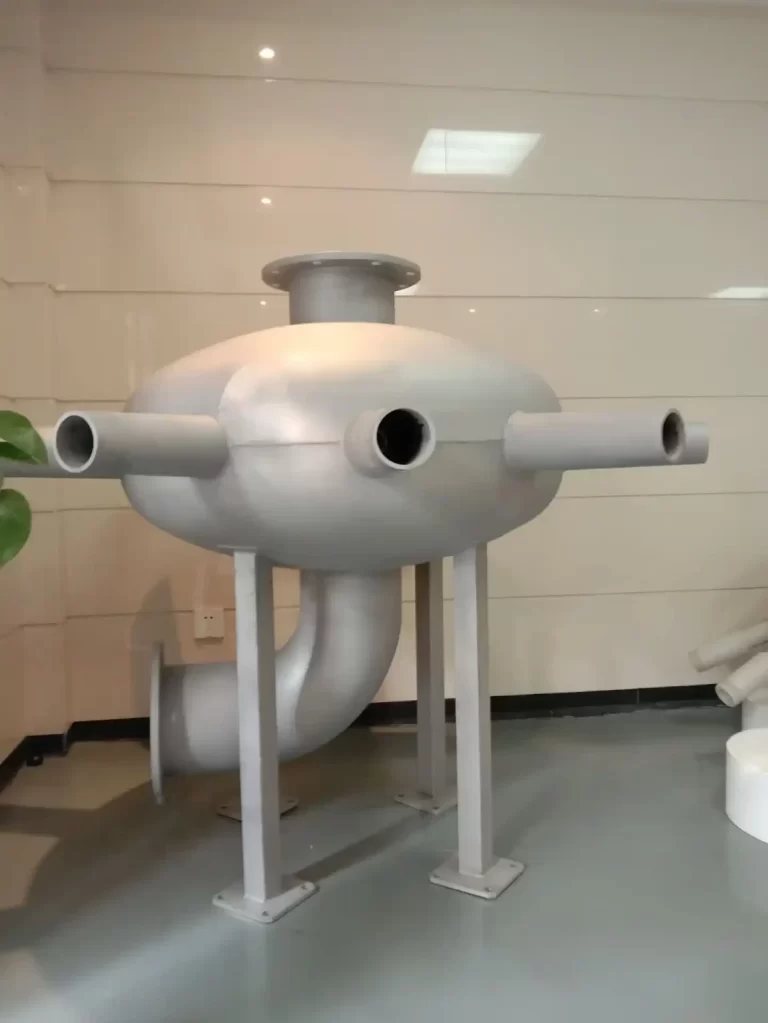
HT designs jet aerators with imported PP material, corrosion-resistant plastic-lined flanges, high dissolved oxygen efficiency, and wide anti-clogging flow channels. Jet aerators can handle wastewater particles up to 5 mm and operate under complex conditions. They provide reliable performance in demanding environments. They deliver efficient jet aeration and oxygenation solutions for slaughterhouse and aquaculture wastewater treatment.
Wastewater generated from slaughterhouses and aquaculture farms poses prominent treatment challenges due to its unique water quality characteristics. Such wastewater typically contains high ammonia nitrogen concentrations and abundant suspended solids. These solids include residual feed, animal manure, organic debris, and protein pollutants. These pollutants are prone to sedimentation and blockage during wastewater treatment. Water quality and pollutant loads fluctuate drastically with production cycles. This creates strict requirements for aeration and mixing equipment stability. The equipment must also have excellent anti-clogging performance and load adaptability.
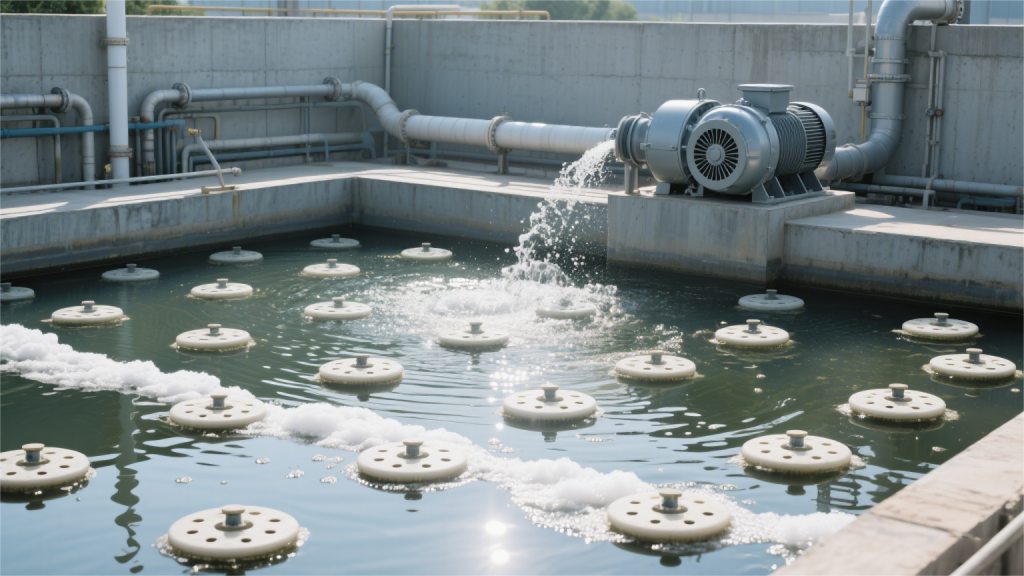
Table of Contents
Why Are Jet Aerators Ideal for Slaughterhouse and Aquaculture Wastewater Treatment?
Unlike traditional aeration equipment, jet aerators use a streamlined jet mixing structure. They have no vulnerable submerged moving parts, reducing blockage risks caused by high suspended solids. The equipment uses high-speed jet negative pressure air suction to generate strong turbulent shear forces. These forces fully mix and suspend sedimentary pollutants inside the tank. Jet aerators effectively prevent dead zones and sludge deposition in conventional aeration systems. They provide excellent anti-clogging performance and stable long-term operation. This significantly reduces equipment maintenance frequency and operational costs.
How Do Jet Aerators Improve Oxygen Transfer and Adapt to Wastewater Load Changes?
The core advantages of jet aerators are fully reflected in high-concentration wastewater treatment and flexible load adaptation. The intense turbulent mixing generated by jet flow maximizes the gas-liquid contact area, crushes air into fine micro-bubbles, and significantly improves gas-liquid mass transfer efficiency and oxygen utilization rate. This enables the equipment to stably cope with high ammonia nitrogen and high organic load in slaughter and aquaculture wastewater, ensuring efficient nitrification, denitrification and organic matter degradation processes.
In addition, jet aerators have excellent variable load adaptability, perfectly matching the intermittent operation and fluctuating water volume and water quality characteristics of breeding and slaughter production. Whether in peak periods with high pollutant load or low-load intermittent operation stages, the equipment can maintain efficient aeration and uniform mixing effects without performance attenuation. Its flexible operating mode not only guarantees stable effluent quality, but also realizes energy-saving operation, avoiding the energy waste of traditional aerators under low-load conditions.
In conclusion, with superior anti-clogging performance, high-concentration pollutant tolerance, efficient gas-liquid mass transfer capacity and flexible load adaptability, jet aerators have become ideal aeration and mixing equipment for slaughter and aquaculture wastewater treatment. They provide stable, efficient and economical technical support for the standardized treatment and up-to-standard discharge of breeding and slaughter industrial wastewater.
If you are looking for an efficient and reliable aeration solution, contact us today. We provide professional technical support for slaughterhouse and aquaculture wastewater treatment. Our team can offer customized jet aerator solutions tailored to your specific treatment requirements.