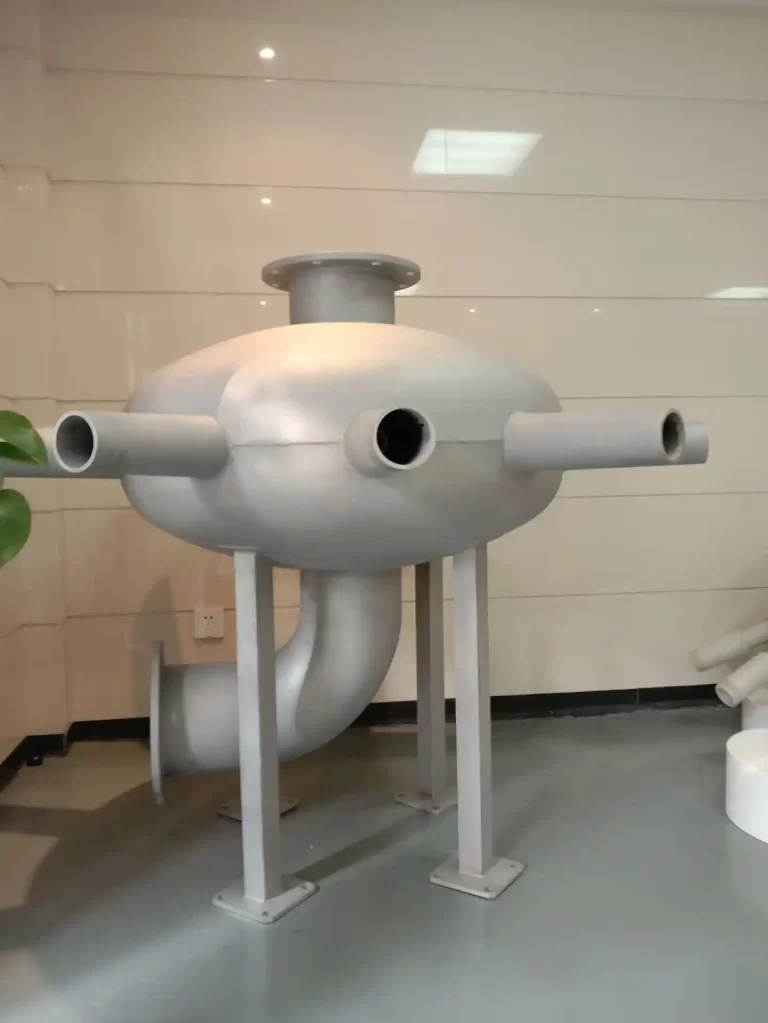
UV-AOP offers an advanced treatment option for contaminated water when conventional processes cannot effectively remove persistent organic contaminants. By combining ultraviolet (UV) light with advanced oxidation reactions, this technology can break down selected compounds that may resist biological or conventional chemical treatment. As a result, UV-AOP can support water remediation projects involving contaminated surface water, groundwater, and other challenging water sources.

Table of Contents
What Is UV-AOP in Water Remediation?
UV-AOP uses ultraviolet radiation to initiate oxidation reactions that generate highly reactive species, such as hydroxyl radicals. These reactive species can attack and transform many organic contaminants in water.
Unlike conventional treatment methods that mainly separate contaminants from water, advanced oxidation can help degrade target compounds into smaller and less complex molecules. Therefore, UV-AOP can serve as a polishing or advanced treatment step when a remediation project requires additional contaminant reduction.
The technology can be particularly useful for contaminants that show limited biodegradability or remain after conventional physical, chemical, or biological treatment. However, UV-AOP does not provide the same performance for every contaminant. Treatment results depend on the contaminant type, concentration, water quality, UV dose, oxidant conditions, and hydraulic retention time.
Applications of UV-AOP for Surface Water and Groundwater
Surface water remediation may involve rivers, lakes, reservoirs, and other water bodies affected by industrial discharge, agricultural activities, urban pollution, or accidental contamination. These sources can contain persistent organic compounds that require additional treatment before the water can meet the intended quality objectives.
UV-AOP can provide an additional barrier for selected contaminants in these applications. For example, treatment systems can target organic compounds that respond poorly to conventional biological processes. Furthermore, UV-AOP can support downstream treatment by reducing the concentration or complexity of certain difficult-to-treat compounds.
Groundwater remediation presents different challenges. Contaminants can migrate through soil and remain in aquifers for extended periods. Depending on the pollution source, groundwater may contain solvents, petroleum-related compounds, pesticides, pharmaceuticals, or other persistent organic substances.
In such projects, UV-AOP can treat extracted groundwater after the water enters a controlled treatment system. Engineers can then integrate the process with filtration, activated carbon, biological treatment, or other technologies according to the project requirements. This integrated approach allows each treatment step to address a specific water quality challenge.
Key Factors for UV-AOP System Selection
Successful UV-AOP application starts with accurate water quality assessment. Before selecting equipment, engineers should evaluate several operating parameters because these factors directly influence UV performance and oxidation efficiency.
UV transmittance (UVT) is particularly important. High turbidity, suspended solids, and natural organic matter can absorb or scatter UV light, reducing the energy available for the oxidation process. Consequently, pretreatment may improve UV-AOP performance when the source water contains excessive particles or UV-absorbing substances.
Contaminant concentration also affects process requirements. Higher concentrations may require greater UV intensity, longer contact time, optimized oxidant dosing, or multiple treatment stages. In addition, flow rate determines the required treatment capacity and reactor configuration.
For this reason, water testing should come before final equipment selection. Laboratory testing can help identify contaminant characteristics and suitable operating conditions. When water quality varies significantly or the treatment target is demanding, pilot-scale testing can provide additional performance data and help engineers optimize the UV dose, oxidant dosage, and hydraulic conditions.
Why Consider UV-AOP for Water Remediation?
UV-AOP provides several advantages for carefully selected remediation applications. It can target persistent organic contaminants, operate as an advanced polishing step, and integrate with other water treatment technologies. Moreover, UV-AOP does not simply transfer contaminants to another waste stream when oxidation successfully degrades the target compounds.
Nevertheless, engineers should select UV-AOP based on actual water quality rather than treating it as a universal solution. Proper pretreatment, process design, UV dose control, and validation are essential for achieving consistent results.
For projects involving contaminated surface water or groundwater, a site-specific assessment can determine whether UV-AOP is suitable and how the system should be configured. Contact our technical team to discuss your water quality, treatment capacity, and contaminant removal requirements, and find a suitable UV-AOP solution for your remediation project.
Last Updated: September 10, 2026
Source: U.S. Environmental Protection Agency (EPA) — Overview of Drinking Water Treatment Technologies: UV/AOP treatment principles and operating considerations.